


asia/LAWS AND REGULATIONS
TCG packs face regulation in Singapore
Trading Card Games packs will most likely be impacted by a new set of regulatory guidelines in Singapore The jurisdiction is looking into "blind boxes" mechanics, which lawmakers fear look too much like gambling
Summary
- Trading Card Games packs will most likely be impacted by a new set of regulatory guidelines in Singapore
- The jurisdiction is looking into "blind boxes" mechanics, which lawmakers fear look too much like gambling
- TCGs use randomized booster packs to award cards
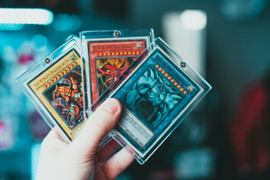
Singapore is planning to regulate packs sold for Trading Card Games (TCGs), such as Yu-Gi-Oh, Pokémon, Magic: The Gathering, and other games of a similar quality. The Ministry of Home Affairs has told The Straits Times, a local media outlet, that the measure is designed to ensure that young people do not get harmed from the blind boxes mechanic, which the office considers to lead to gambling-related risks.
Singapore targets "blind boxes" in latest regulatory focus
TCGs use a mechanic for obtaining additional cards, which are necessary to construct a stronger deck, known as booster packs. A booster pack contains a fixed number of cards, usually with fixed numbers of each grade, but the exact cards inside are not known. The Home Affairs Minister K. Shanmugam confirmed in mid-February that these business models would be regulated, referring once again to the blind box mechanic. The new measure is not specifically meant against TCGs, specifically, as it is a part of a wider regulatory framework set to protect consumers against a mechanic that incentivizes them to spend money for a possible reward, which many jurisdictions have been scrutinizing over its resemblance to gambling-like experiences. Just recently, the Office of the Attorney General in New York filed a lawsuit against Valve, the creator of Team Fortress 2, Dota 2, and Counter-Strike 2, alleging that by offering players the option to buy and then sell digital goods, and specifically skins from loot boxes, the company was facilitating illegal gambling.








Comments
No comments yet.