


europe/General
Dutch gambling association aims at Meta over gambling advertisements
In response, VNLOK has taken legal steps to subpoena Meta and filed a complaint with the European Commission. They are seeking significant changes to Meta’s business practices to protect the regulated gambling market in the country, highlighting several a
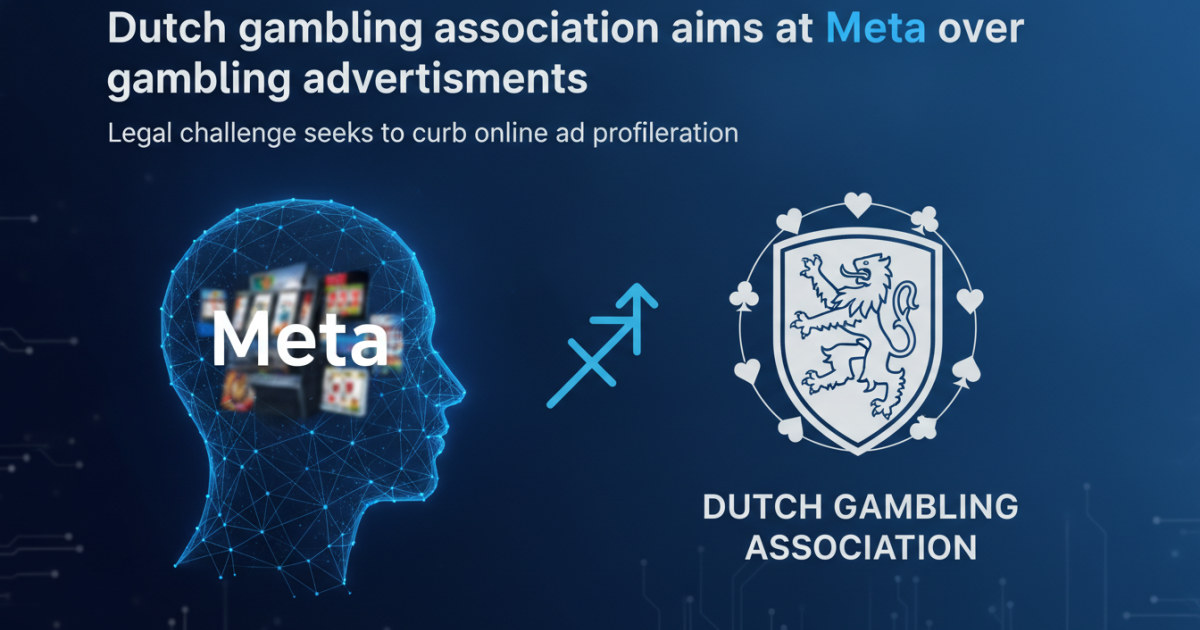
Illegal gambling ads prompt VNLOK to take action against Meta.
In response, VNLOK has taken legal steps to subpoena Meta and filed a complaint with the European Commission. They are seeking significant changes to Meta’s business practices to protect the regulated gambling market in the country, highlighting several areas needing improvement. VNLOK emphasized that advertisements should be verified in advance rather than removed afterward. They also called for stronger action against facilitators, suggesting the gambling watchdog should take a more active role. Importantly, the regulated market must continue to enhance its offerings and stay visible to provide players with legitimate gambling options. The trade group stated that between 94% and 97% of gambling ads seen by Dutch consumers came from companies without a Kansspelautoriteit license, the national gambling watchdog. VNLOK criticized Meta for removing only a small portion of these ads and flagged additional issues. Illegal gambling providers use tactics like cloaking and misusing well-known brand names, as well as Telegram referrals, to mislead players away from the regulated market and connect them with offshore operators. VNLOK identified these tactics in detail. Cloaking involves directing users to a fake Apple App Store containing an app from an illegal online casino. Telegram redirectors are also common, with Facebook ads promising exclusive casino bonuses to those who join a Telegram channel, where a mini-app functions like a full-scale casino. Furthermore, illegal operators co-opt the brand names of licensed entities, tricking users into believing they are engaging with a legitimate KSA-licensed brand. The data indicates illegal gambling advertisements on Meta are still prevalent. This undermines player protection, as those gambling illegally have over four times the risk of a high-risk profile. This is why these ads need to be stopped before reaching Dutch users, said VNLOK Chairman Björn Fuchs. VNLOK backed up their concerns with concrete findings. In one instance, pages promoting gambling ads on Facebook in May and June linked to illegal providers 96% and 98.8% of the time, respectively. These pages were not identified as gambling-related but instead appeared as fan pages, municipal pages, marketing agencies, entertainment websites, and personal blogs, according to an official VNLOK statement.
Shutting down gambling ads might happen too quickly once they're already in motion.
VNLOK observed that the pace of illegal gambling ads was accelerating, enabling operators to outsmart law enforcement and continue targeting consumers. In May, an individual gambling ad had an average lifespan of 1.58 days, with 76% of them lasting less than a day. By June, the average duration of online gambling ads was two days, with 65% being visible for under a day. VNLOK contended that Meta's enforcement efforts were inadequate, noting that out of over 60,000 illegal gambling ads, Meta removed 11% in May and 15% in June. Although this is an improvement compared to earlier studies, the practical impact remains limited: since most ads are active for less than a day, removals often occur after the ads have already reached a substantial audience. This means that retroactive enforcement cannot structurally keep pace with the speed of the illegal market, VNLOK stated in a translated message.
"Government decisions bolstered the illegal gambling sector."
The VNLOK has consistently pushed for strengthening the regulated gambling market in the country, focusing on issues that, according to the trade group, have fueled the black market's growth. One key concern is the rise in taxation implemented earlier this year, which followed previous tax increases. In 2025, the tax rate climbed to 34.2%, and by 2026, it had reached 37.8%. The trade group believes this approach will significantly reduce the total tax revenue over time and inadvertently encourage illegal gambling, while decreasing funds available for sports and charities. VNLOK highlighted that by 2025, there had already been a €40 million drop in industry-related tax payments, demonstrating that the tax hikes have not achieved the desired result.







Comments
No comments yet.